Soil Amendments
Soil amendments are ingredients mixed into potting soil to change how it behaves. In container gardening, amendments mostly control three things:
- Drainage — how quickly extra water leaves the pot
- Aeration — how much air stays around the roots
- Water holding — how long the mix stays moist after watering
For herbs and vegetables, the goal is not to use every amendment. The goal is to pick the ingredients that match the plant.
Drainage and aeration amendments
These make a mix less spongey and more open. They are useful for lavender, rosemary, thyme, oregano, succulents, and any plant that dislikes wet feet.
Perlite
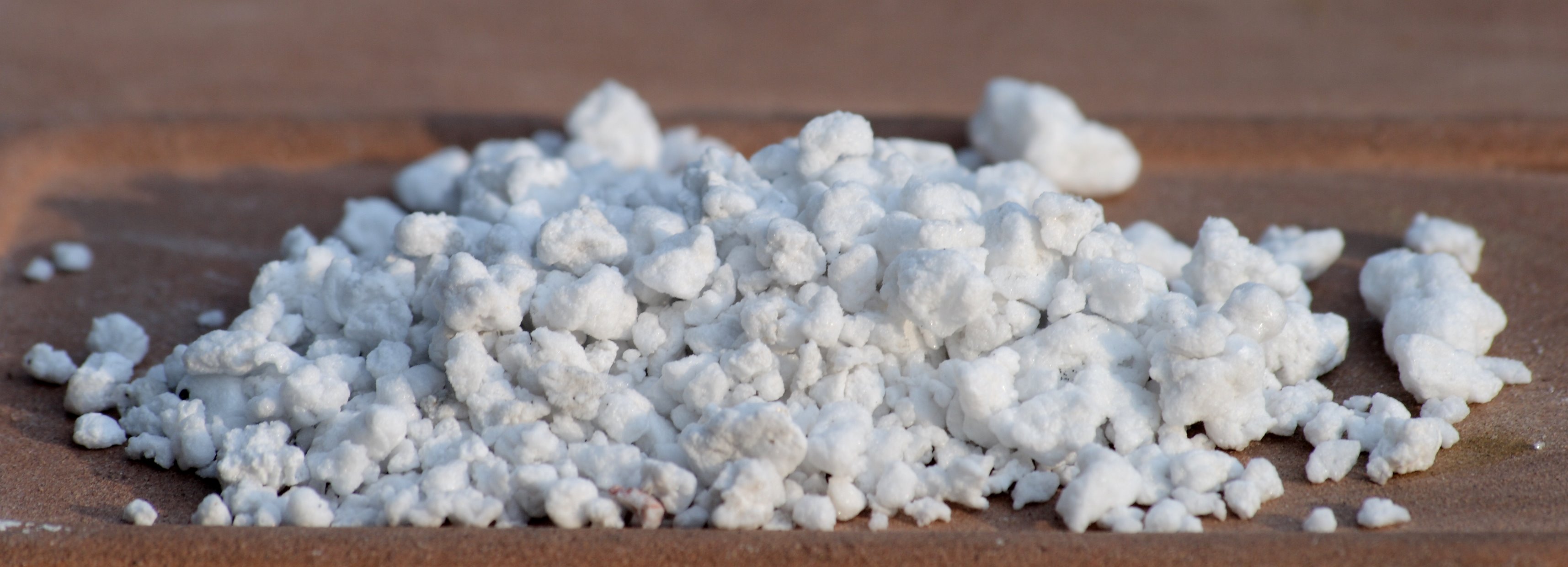
Perlite is the lightweight white volcanic material often visible in commercial potting mixes.
Use it for:
- More air pockets around roots
- Faster drainage
- Lightening dense potting soil
Notes:
- Very common and affordable
- Can float to the surface over time
- Good default choice for beginner mixes
Pumice

Pumice is porous volcanic rock. It behaves like a heavier, more durable version of perlite.
Use it for:
- Long-lasting drainage
- Air space that does not collapse quickly
- Mediterranean herbs, cactus mixes, and woody herbs
Notes:
- Heavier than perlite, so pots are more stable
- Often more expensive or harder to find
- Excellent for lavender and rosemary
Coarse sand

Coarse sand means large-grain horticultural or builders sand, not fine play sand or beach sand.
Use it for:
- Adding weight
- Improving drainage in small amounts
- Making a mix feel leaner and grittier
Notes:
- Fine sand can compact and make drainage worse
- Use coarse, sharp sand only
- Best paired with perlite, pumice, bark, or grit
Grit

Grit is small crushed rock, granite chips, poultry grit, or similar mineral material.
Use it for:
- Sharp drainage
- Weight and structure
- Lean herb mixes
Notes:
- Does not hold much water
- Does not add nutrition
- Useful when a mix needs to dry faster
Fine bark

Fine bark, often pine bark fines, adds chunky organic structure.
Use it for:
- Air space
- Moderate moisture holding
- Keeping mixes from becoming too dense
Notes:
- Breaks down over time
- Holds more moisture than rock amendments
- Useful in both herb and general-purpose mixes
Moisture-holding amendments
These help a mix stay damp longer. They are useful for seedlings, basil, arugula, dill, tomatoes, and other plants that prefer even moisture.
Vermiculite

Vermiculite is a soft, flaky mineral that holds water and nutrients.
Use it for:
- Seed starting
- Moisture retention
- Helping small seedlings avoid drying out
Notes:
- Not the best primary amendment for lavender or rosemary
- Can keep roots too wet in a fast-draining herb mix
- If using it for Mediterranean herbs, keep the amount small
For a fast-draining blend, prefer perlite, pumice, coarse sand, grit, or bark. If vermiculite is all you have, use it lightly and pair it with stronger drainage ingredients.
Compost

Compost adds organic matter and slow-release fertility.
Use it for:
- General-purpose vegetable mixes
- Tomatoes, basil, greens, and annual herbs
- Improving nutrient availability
Notes:
- Too much compost can make containers heavy and water-retentive
- Use less compost for lavender, rosemary, and thyme
- Compost quality varies widely
Base ingredients
Potting mix

Potting mix is the usual container-garden base. It often contains peat or coir, perlite, bark, and starter fertilizer.
Use it for:
- Containers
- Seedlings after germination
- Most herbs and vegetables
Notes:
- Better for pots than native yard soil
- Can be amended to drain faster or hold more water
- Quality varies by brand
Raised bed soil
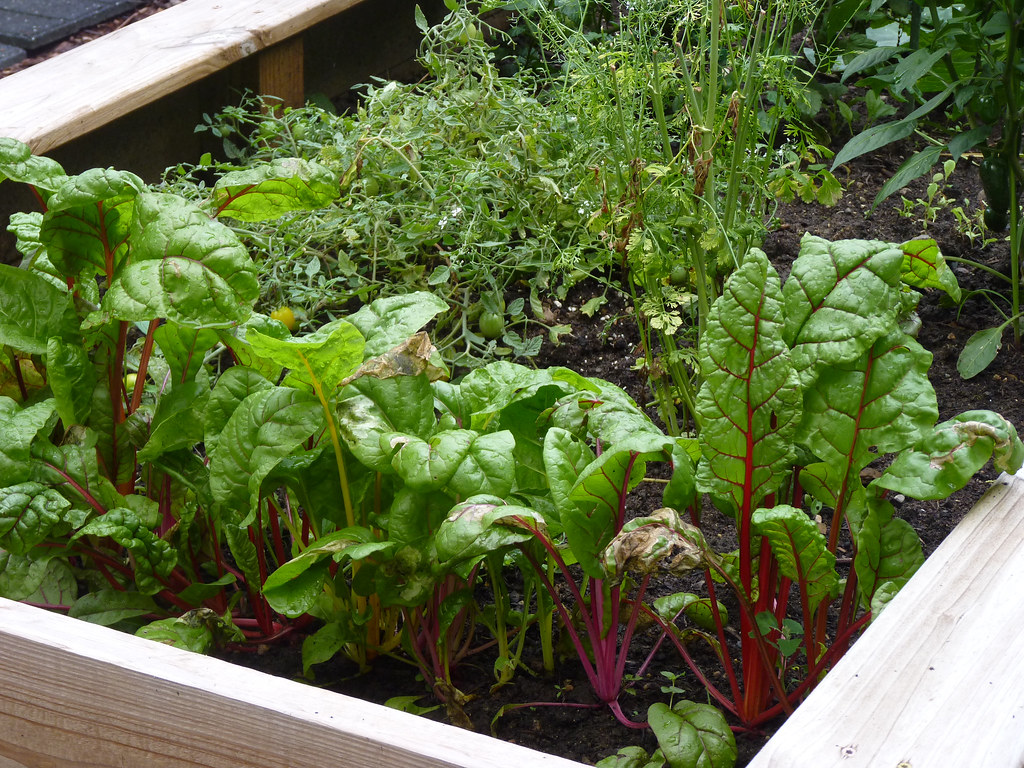
Raised bed soil is usually heavier than potting mix and designed for larger outdoor beds.
Use it for:
- Raised beds
- Large planters
- Outdoor vegetable boxes
Notes:
- May be too dense for small pots
- Often benefits from extra perlite, pumice, bark, or compost depending on use
Which amendments should I choose?
| Goal | Good amendments | Avoid relying on |
|---|---|---|
| Fast-draining lavender/rosemary mix | Perlite, pumice, coarse sand, grit, fine bark | Lots of vermiculite or compost |
| General-purpose tomato/basil mix | Compost, potting mix, perlite, fine bark | Fine sand, dense yard soil |
| Seed starting | Vermiculite, fine potting mix, seed-starting mix | Heavy bark chunks, too much compost |
| Heavy pot that dries too slowly | Perlite, pumice, grit, bark | More compost or vermiculite |
| Pot that dries too fast | Compost, vermiculite, coir-heavy potting mix | Too much grit or coarse sand |
Simple amendment rules
- If a pot stays wet too long, add perlite, pumice, grit, coarse sand, or bark.
- If a pot dries too fast, add compost, vermiculite, or a more moisture-retentive potting mix.
- If growing lavender or rosemary, keep the mix lean and airy.
- If growing tomatoes or basil, keep the mix evenly moist and moderately rich.